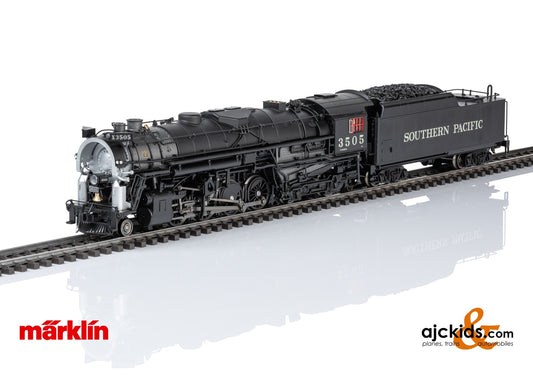
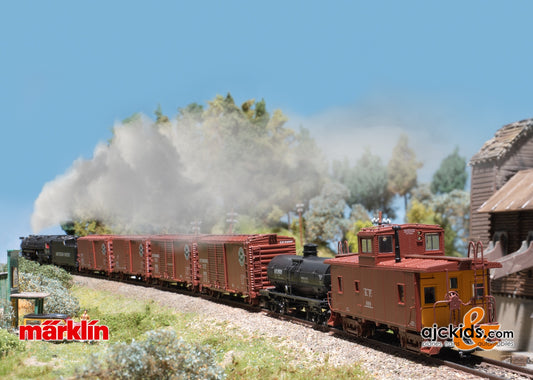
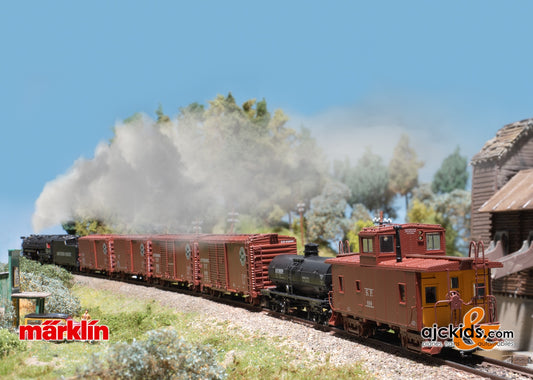
Only a few steam locomotives in the USA became true legends – the powerful "Berkshires" were among them. Developed in the Roaring Twenties, they reflected the post-World War I economic boom, when railroads had to handle ever-increasing transport volumes. The widespread "Mikado" locomotives were reaching their limits.
In 1925, LIMA Locomotive Works developed the "Berkshires," the first so-called super-power steam locomotive. A two-axle trailing bogie and a larger firebox provided significantly more power. They were named after their first route through the Berkshire Mountains. With up to 4,000 horsepower, speeds exceeding 100 km/h, and more than 600 units built, they had a lasting impact on US rail transport.
A special variant consisted of 25 locomotives built for the Boston & Maine Railroad, featuring distinctive coffin-type preheaters. These unusual locomotives disappeared completely after 1945. However, the "Berkshire" 1225 from Michigan survived and gained international fame in 2004 as the inspiration for the film "The Polar Express."